What a pre-cooked system actually replaces
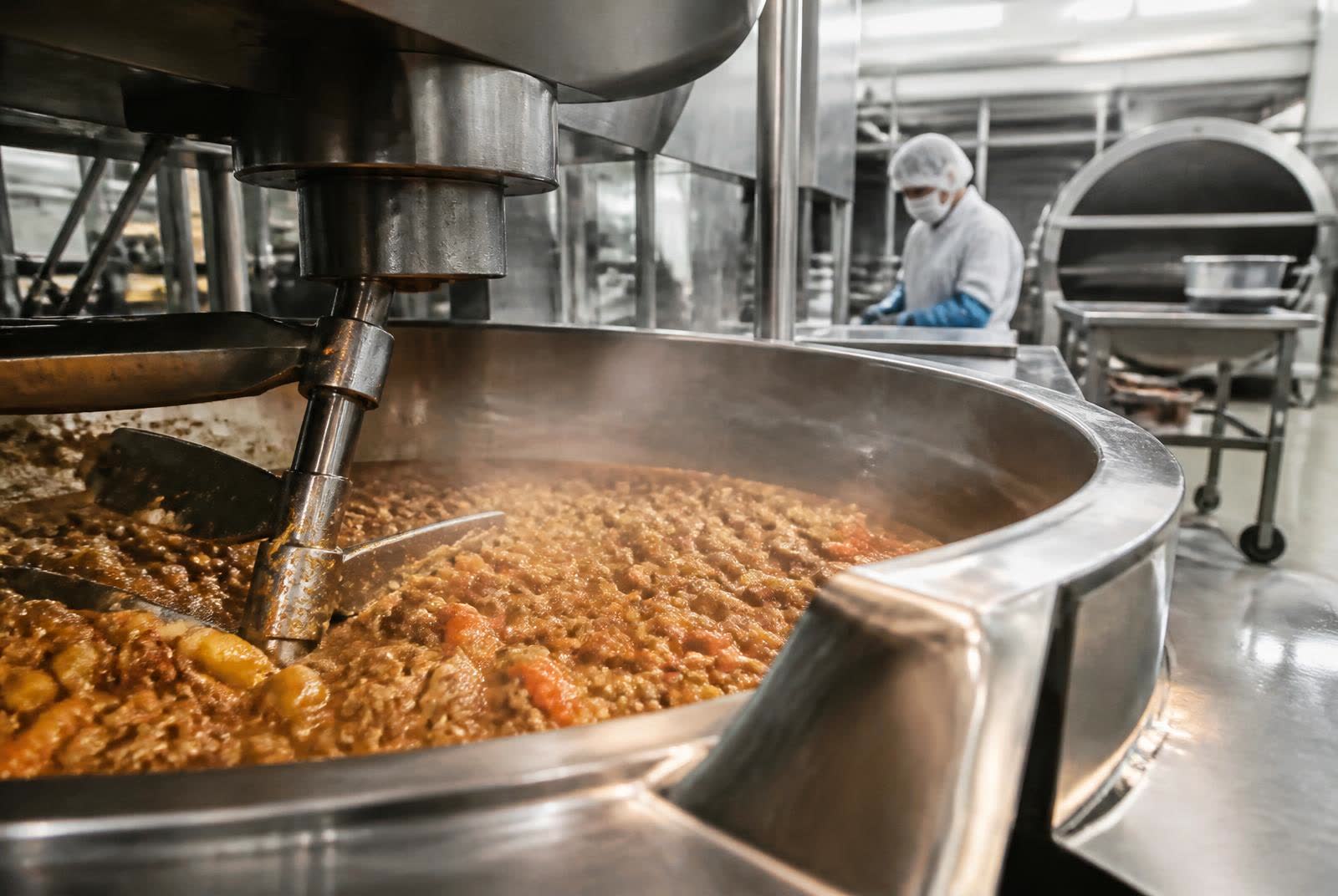
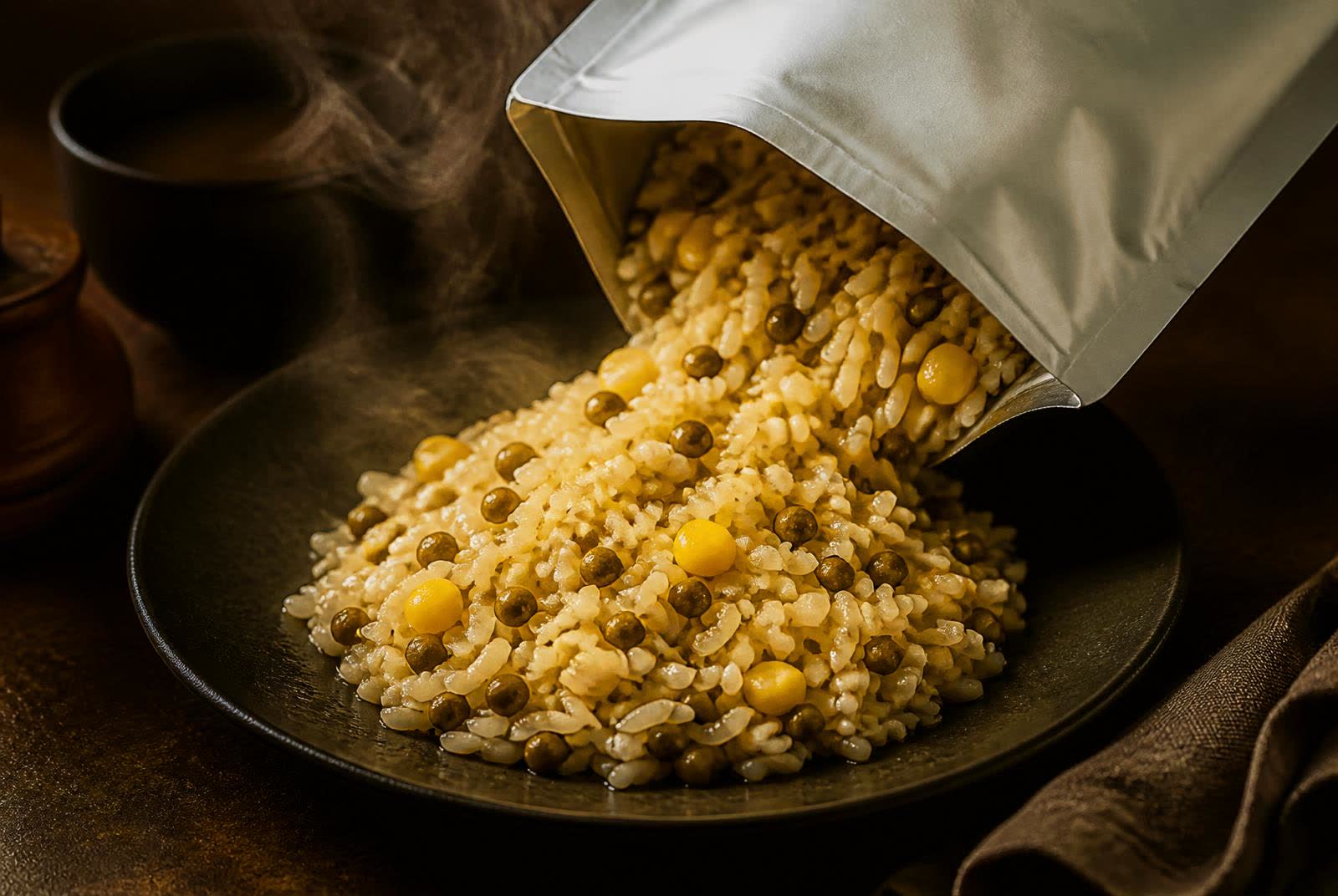
A shelf-stable pre-cooked component does not only substitute a raw ingredient. It can also replace soaking, cooking, cooling and holding, along with the quality variation, labour and line time those steps carry.
A comparison limited to price per kilogram omits most of what changes.
A more complete comparison
Consider consistency between batches, labour hours removed and cook and cool capacity released. Then look at waste, rework, storage requirements and the finished product at the point of service.
Some operations will still prefer in-house preparation. The decision is stronger when it is made on that full picture.
Practical implications
- Compare the whole preparation route, not the ingredient alone.
- Value released cook, cool and hold capacity explicitly.
- Include batch-to-batch consistency in the assessment.
The components behind that comparison are developed as pre-cooked retort and shelf-stable food systems.
If this reflects something you are working through, talk to us.
.jpeg)