Capacity is a system outcome, not a machine specification
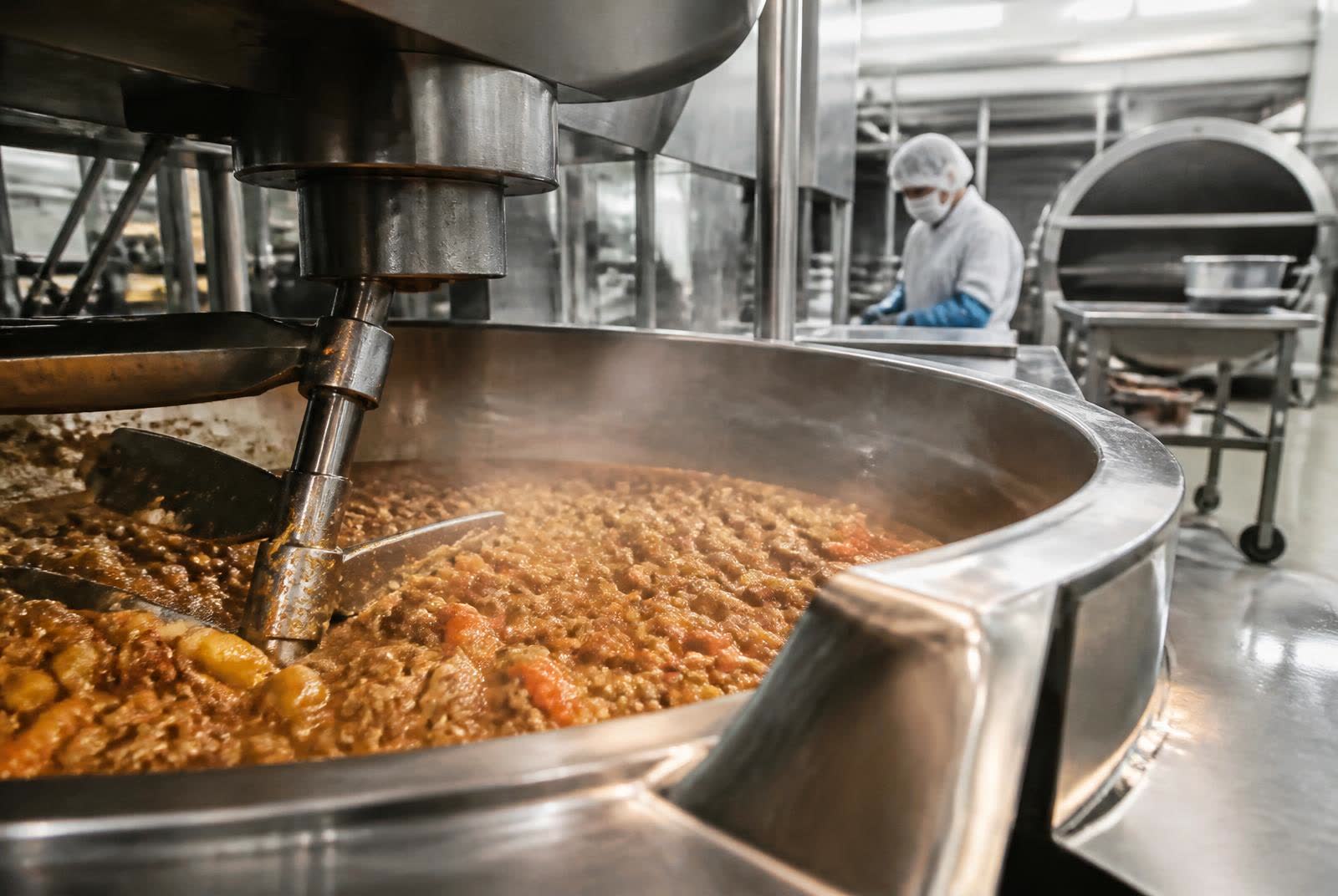
When a line cannot meet demand, the request that reaches the board is usually for equipment. It is a defensible request: equipment is visible, quotable and easy to justify. But throughput is produced by the whole system, not by one asset in isolation. Formulation, ingredient condition, preparation, changeover, cook and hold times, labour availability and repeatability all shape it.
Equipment, ingredients and formulation are often decided by different people at different times. When they influence the same manufacturing system, treating them as separate decisions hides the cheapest option.
Where capacity is usually lost
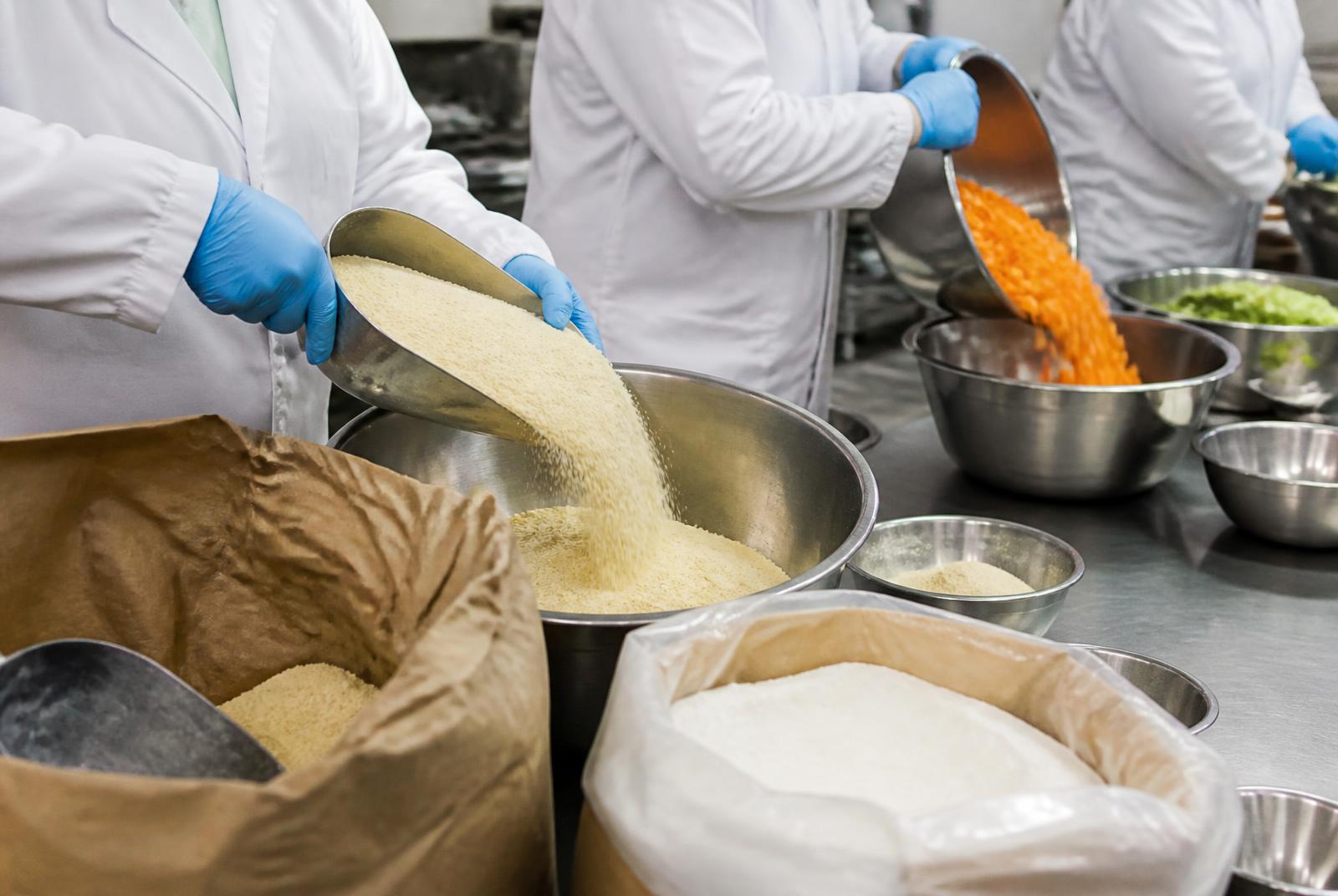
Constrained lines commonly lose time to preparation steps that exist only because of the formulation. Time also goes to ingredient handling that requires manual intervention, hold conditions that force product to wait and operator-dependent steps that vary between shifts.
Each of these can be examined before capital is committed. Some cannot be changed. Others can be simplified without any change to the finished product the customer accepts.
A more useful sequence
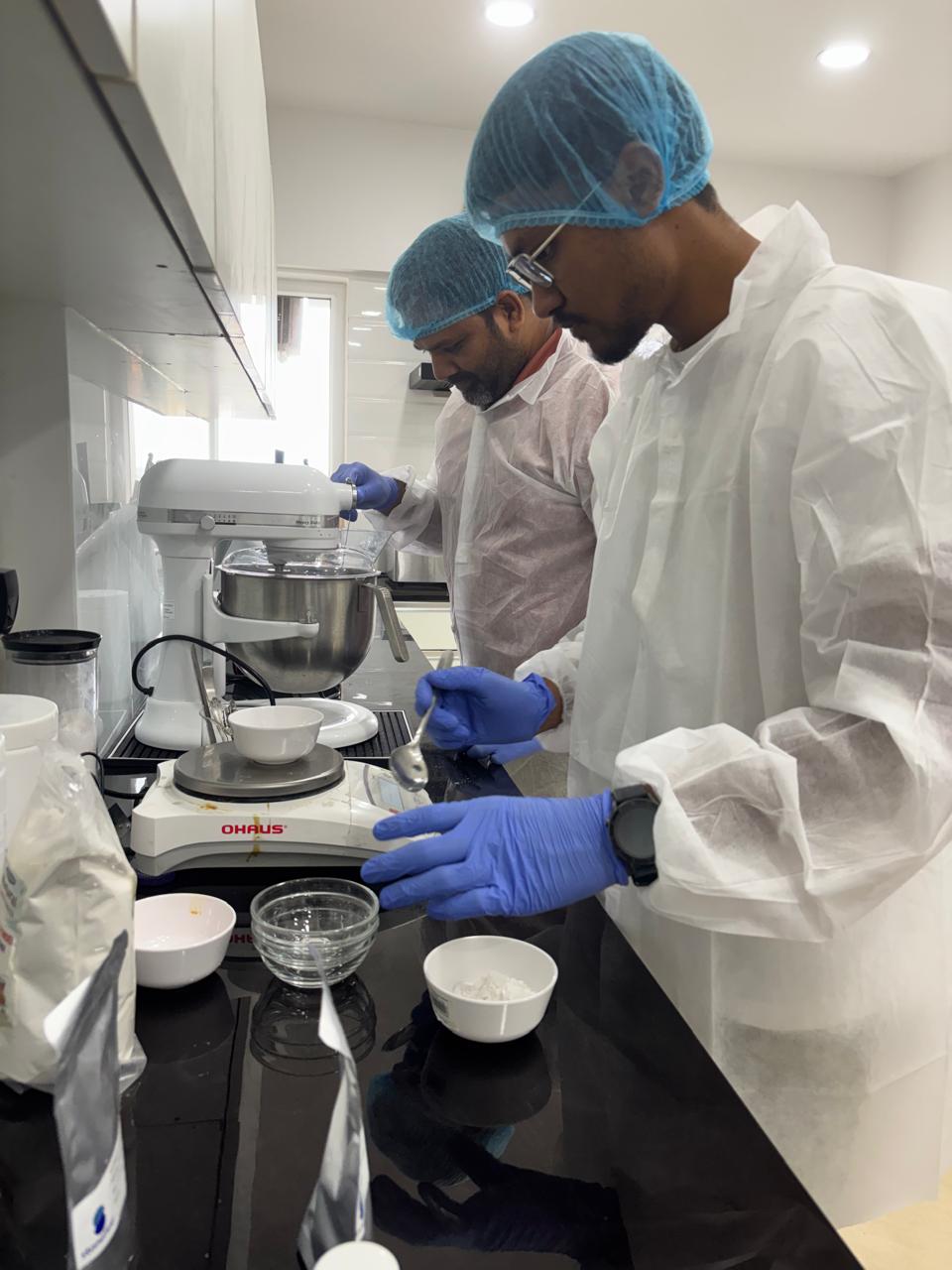
Define the constraint precisely and measure it. Establish what the finished product must deliver and what is negotiable. Test whether formulation or process change can release the constrained step. Then, if the constraint remains, specify equipment with far better information than you started with.
This order rarely delays a genuine capital decision. It regularly improves it.
Practical implications
- Measure the constraint before specifying a solution for it.
- Ask whether the formulation is creating the process step that limits capacity.
- If equipment is still required, a process review makes the specification more accurate.
Where a constraint sits in the product rather than the machine, that work belongs with improving what you already make.
If this reflects something you are working through, talk to us.