Follow the ingredient through the factory
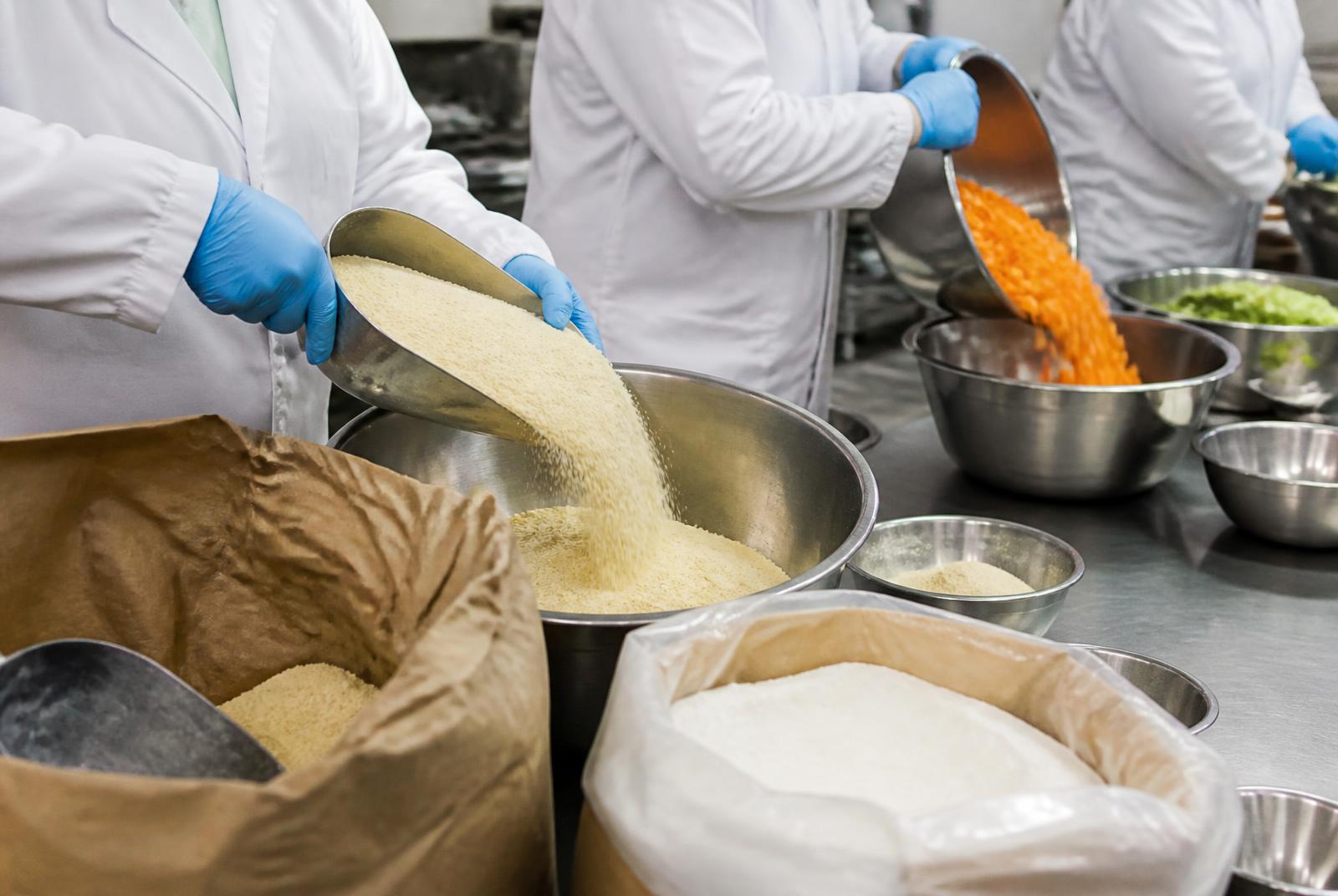
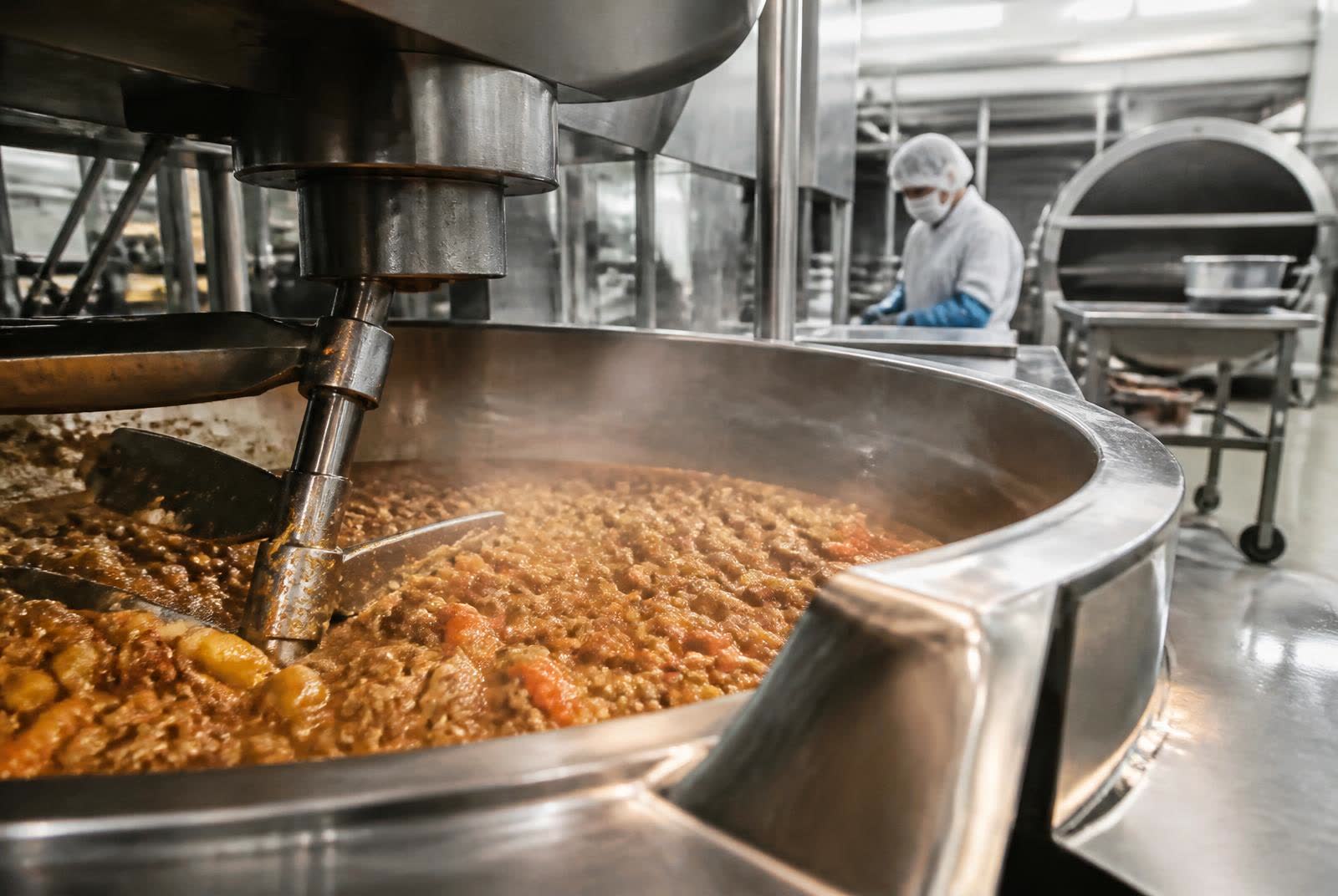
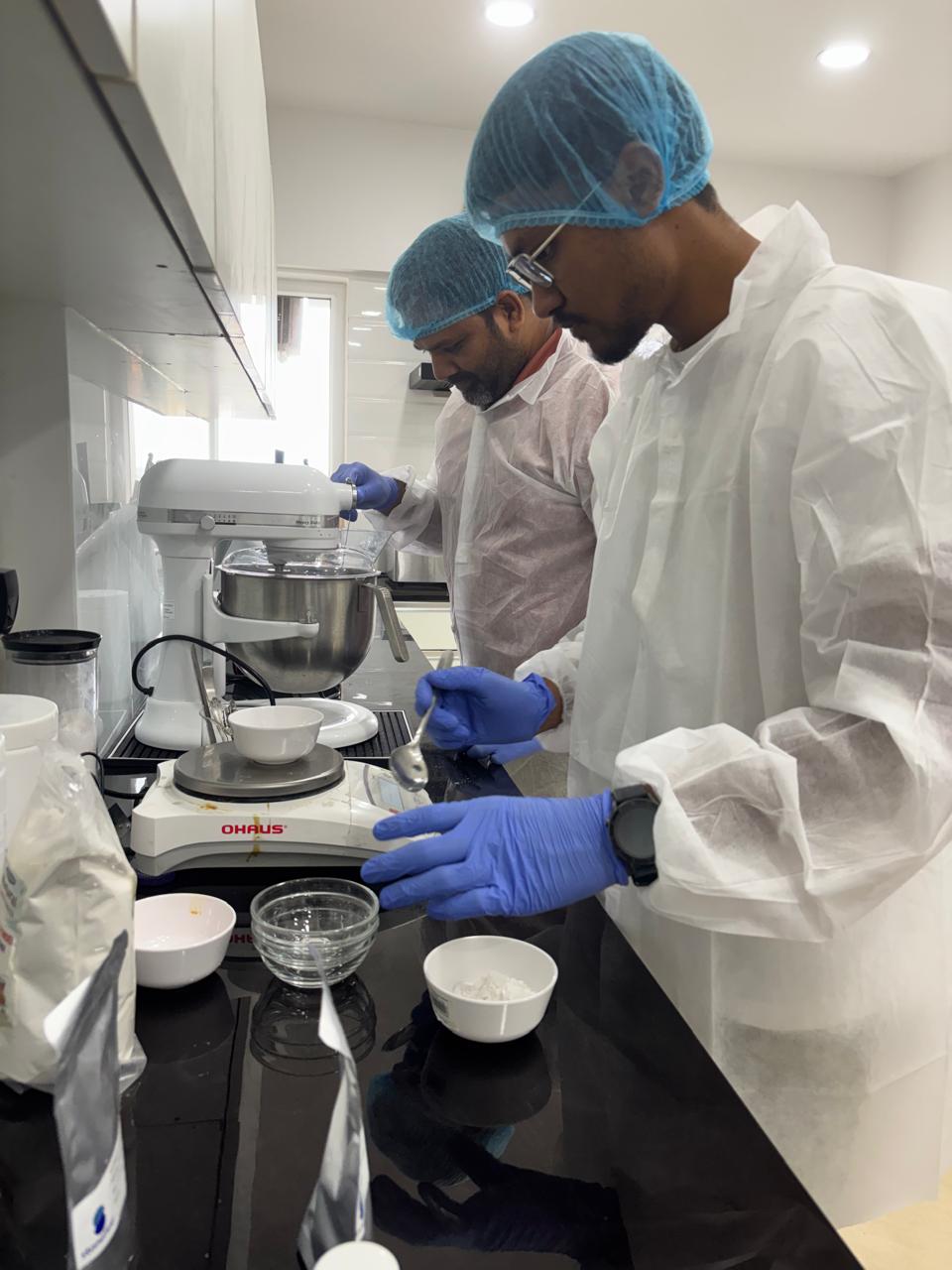
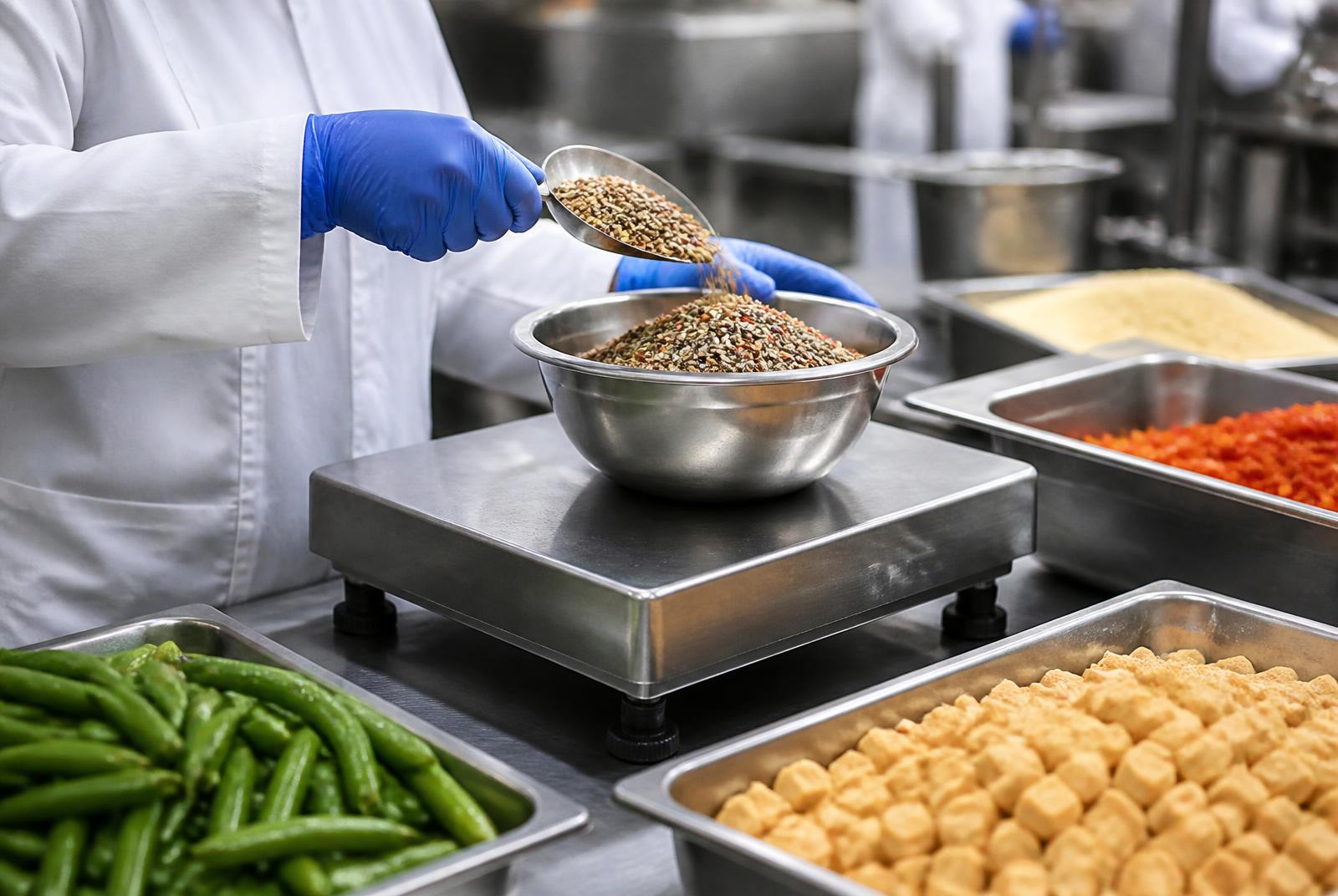
Every ingredient creates activity through receiving and storage, weighing, preparation, addition, cleaning and sometimes rework. Each activity consumes labour and line time that belong in the cost of the finished product.
Mapping that path is usually a short exercise and often changes the conclusion.
A simple framework
Start with purchase price. Add preparation and handling labour. Adjust for yield and waste. Add any effect on throughput at the constrained step. Add quality cost, rework, downgrade and complaint risk. Express the result per finished unit.
The value of the exercise is a like-for-like basis for the decision rather than precision to the cent.
Practical implications
- Cost per finished unit is the comparable number.
- Yield, waste and labour usually move more than price does.
- Quality cost belongs in the comparison.
Turning that number into a change on the line is where development and process support helps.
If this reflects something you are working through, talk to us.